
Futuro transporte adaptado for confident travel
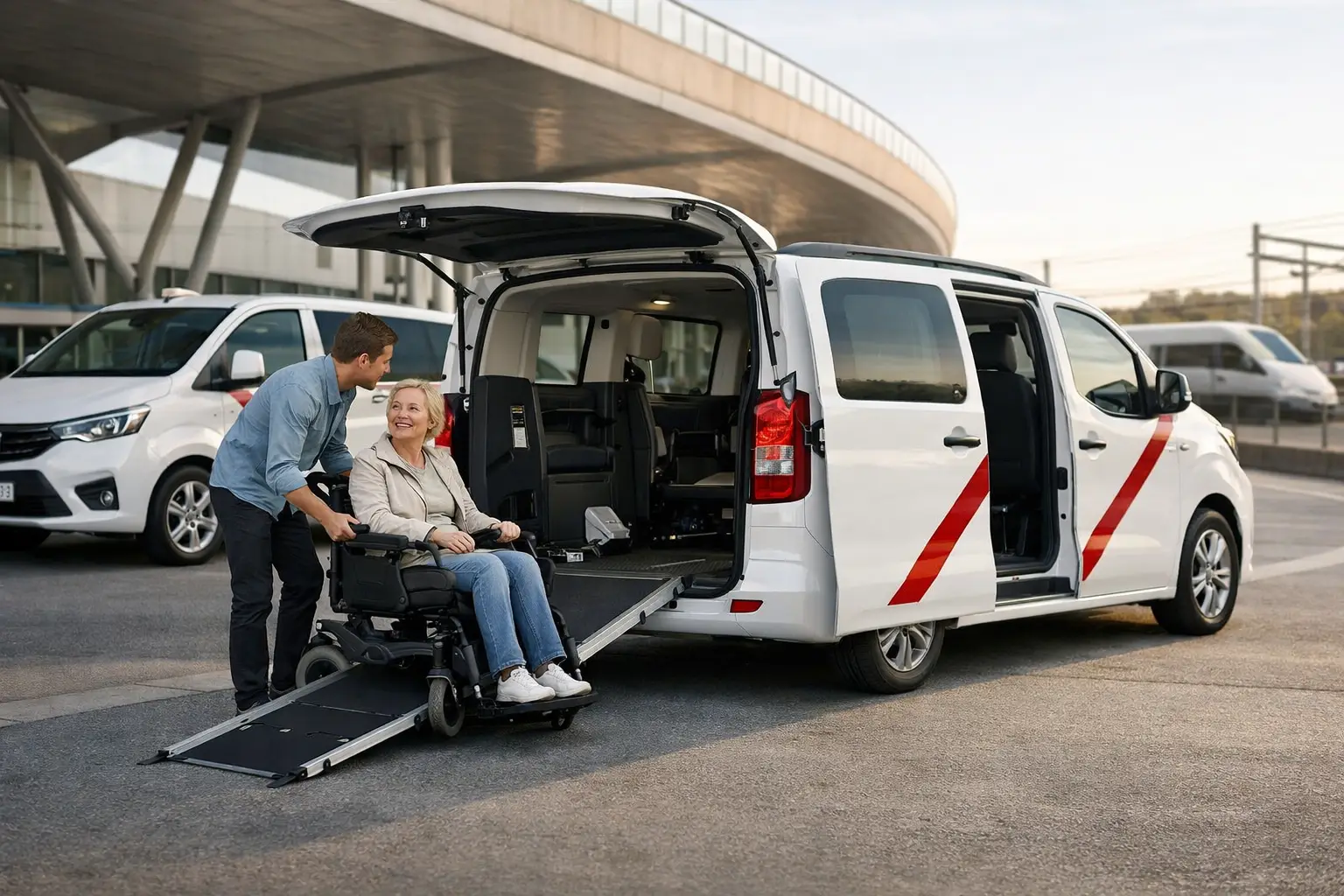
A journey can become difficult long before the vehicle arrives. A narrow hotel entrance, an unclear wheelchair space, a driver who has not been told what assistance is needed, or a last-minute change to a flight can turn a simple transfer into an exhausting experience. The futuro transporte adaptado is not only about putting more adapted vehicles on the road. It is about making every stage of the journey predictable, respectful and properly planned.
For wheelchair users, older passengers, families travelling with mobility equipment and guests recovering from injury, transport should not require repeated explanations or compromise. The standard should be simple: a suitable vehicle, a trained professional driver, enough time to board safely, and clear communication from booking to arrival.
What the futuro transporte adaptado should deliver
An adapted journey begins with accurate information. A ramp alone does not guarantee that a vehicle is appropriate for a particular passenger. Wheelchair dimensions, the need to remain seated during travel, luggage, accompanying family members, folding equipment and pickup access all affect what is required.
The strongest transport services ask the practical questions before confirming a booking. Is the wheelchair manual or powered? Will the passenger transfer to a seat or travel secured in their chair? Is there a second mobility aid? Does the collection point have steps, a narrow driveway or a busy kerbside? These details are not administrative extras. They determine whether the service can be delivered safely and calmly.
The future also means moving away from vague accessibility claims. Passengers should be able to understand what the vehicle offers, how many people it carries in the required configuration, how the wheelchair and passenger are secured and whether there is space for luggage. Clear answers help travellers make decisions with confidence, particularly when arranging an airport collection, a medical appointment, a family event or a longer trip across Spain.
Adapted transport is a service, not a vehicle feature
A modern, climate-controlled van with suitable wheelchair access is an essential starting point for passengers who need to travel seated in their chair. It is not the whole experience. The difference is often made by the person behind the wheel and the planning behind the booking.
Drivers need to understand safe boarding procedures, passenger positioning, restraint systems and the importance of allowing time without making anyone feel rushed. They should also know when to offer help and when to respect a passenger's independence. Good assistance is attentive, calm and never presumptuous.
This matters especially in busy environments. Airport forecourts, station entrances, hotel drop-off points and event venues can be crowded and time-sensitive. A professional driver plans the approach, chooses the safest practical permitted collection point and remains focused on the passenger rather than the pressure around them.
There is also a human dimension. Some guests may be travelling after surgery, managing chronic pain or supporting a relative with reduced mobility. Others may be visitors who do not speak Spanish confidently. English- or Arabic-speaking drivers can be requested in advance. Translator accompaniment, including Mandarin, is a separate arrangement, subject to confirmation and availability. Explain the support required when discussing timings, meeting points or special requirements.
Comfort is part of accessibility
Accessibility is sometimes treated as a minimum compliance exercise. Passengers know better. A journey that is technically possible but uncomfortable, hurried or poorly communicated is not a good journey.
Comfort includes a clean, quiet vehicle, sensible temperature control and space to travel with companions. It includes realistic collection times and clear updates if the agreed arrangements change. For a family, travelling together may be preferable to splitting between vehicles, but the provider must confirm the available passenger seats and luggage space with the wheelchair position in use. A vehicle’s standard seating capacity does not establish its capacity in an adapted configuration.
For longer routes, comfort becomes even more significant. A day trip, intercity transfer or multi-stop itinerary needs realistic timings, planned comfort breaks where required and enough room for personal belongings. The right solution depends on the passenger, the distance and the purpose of travel. There is no single vehicle setup that suits every journey.
Where technology helps, and where it does not
Technology will improve adapted transport when it solves real problems. Better booking systems can record accessibility requirements accurately, reduce the need for passengers to repeat them and provide clear journey updates. Route planning can account for traffic, collection restrictions and realistic arrival windows. Digital confirmations can give travellers and carers reassurance that the agreed vehicle and assistance are recorded.
However, technology should support judgement, not replace it. An automated booking form cannot always identify whether a property entrance is difficult to access or whether a passenger needs additional boarding time. A map pin cannot explain that a hotel concierge has asked for collection from a side entrance. Direct contact remains valuable, particularly for complex journeys.
The most useful model combines efficient communication with a real person who can review the details. WhatsApp or a direct enquiry can be far more helpful than a generic booking flow when passengers need to share wheelchair measurements, a flight number, luggage requirements or a changing itinerary. The goal is not to make transport feel automated. It is to make it dependable.
Reliable planning for the journeys that matter
Adapted transport is often needed at moments when punctuality carries extra weight. A delayed airport transfer can affect medication, care arrangements and hotel check-in. A late arrival for a business meeting or wedding can create avoidable pressure. A poorly arranged journey to a hospital appointment can be far more serious.
That is why transparent planning matters. For licensed taxi journeys, confirm the applicable regulated fare, including whether the journey uses a meter or an applicable fixed tariff. For other private transport services, request a quotation and written scope of service. Booking ahead or requesting an adapted vehicle does not by itself determine the pricing model. Waiting time, stops, translator accompaniment and access arrangements should be discussed and confirmed before travel.
The same principle applies when plans change. Flights are delayed, appointments overrun and relatives need collecting unexpectedly. A dependable operator communicates honestly about what can be adjusted, how long the driver can wait and whether another arrangement is needed. Promising what cannot be delivered helps no one. Practical alternatives do.
Inclusion also means protecting independence
The best adapted transport gives passengers options. Some people need assistance with boarding; others only need the vehicle prepared correctly and the space to move at their own pace. Confirm what assistance the driver can provide. Personal care, manual lifting and help transferring between a wheelchair and a passenger seat should not be assumed to be included. Where needed, arrange an accompanying carer or other suitable support.
This is where hospitality and accessibility meet. The service should be personal without being intrusive. Assistance with luggage, waiting while a passenger reaches an entrance and coordination with a hotel or event contact can be discussed beforehand, while still treating the traveller as the decision-maker.
For visitors to Madrid and central Spain, this approach also makes private sightseeing more realistic. Historic areas can involve uneven paving, restricted vehicle access and long distances between suitable drop-off points. A well-planned itinerary can reduce unnecessary walking, allow time for rest and make the day enjoyable for everyone in the group, not only the most mobile traveller.
A higher standard for everyday mobility
The future of adapted transport will be measured less by marketing language and more by ordinary moments: whether a passenger can board without anxiety, whether a family arrives together, whether a wheelchair is secured correctly, whether the fare is clear and whether the driver treats every guest with patience and respect.
Madrid Mobility Group coordinates accessible passenger transport for airport transfers, local travel, events and longer journeys across Spain. MMG’s wider transport offering includes licensed taxis, executive cars, passenger vans, Sprinters, minibuses, buses and wheelchair-adapted options. Each booking is assessed around the passenger’s needs, with the appropriate vehicle configuration, luggage capacity and assistance confirmed in advance. Not every vehicle category is wheelchair accessible.
When arranging your next journey, share the details that affect comfort and access early: the wheelchair type, dimensions and weight, whether the passenger remains seated in it, number of companions, luggage, collection point, destination and timing. That conversation allows MMG to assess the right vehicle and confirm the level of support before the journey begins.