
Spanish Long Distance Travel Guide for Private Trips
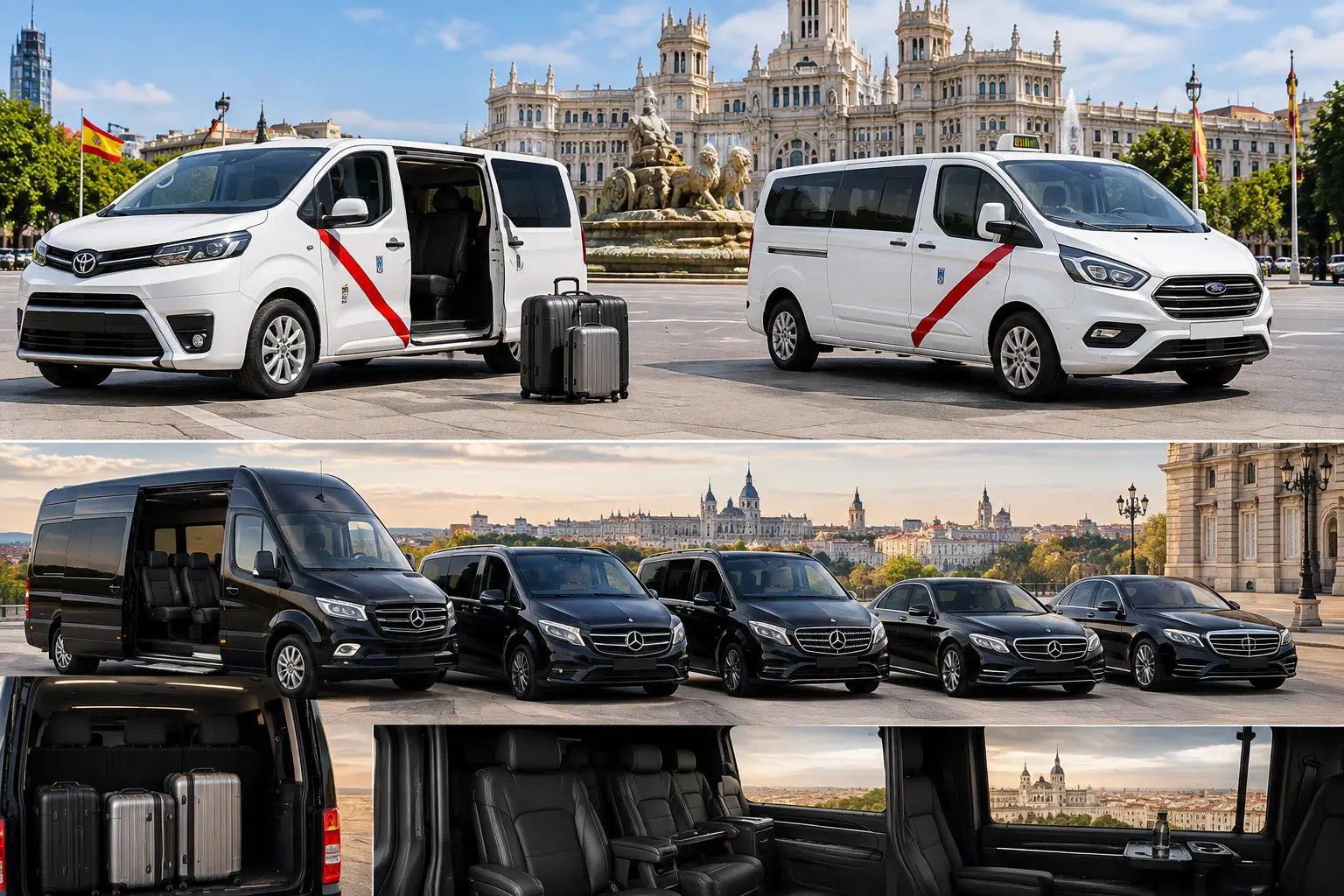
A journey from Madrid to Seville, Málaga, San Sebastián or Asturias is not simply a longer city transfer. It is a full travel day, sometimes part of a multi-day itinerary, with luggage, meal breaks, meeting times and individual comfort to consider. This Spanish long distance travel guide explains how to plan private road travel across Spain with fewer surprises and a clearer idea of what to arrange before departure.
For families, business travellers and groups, a pre-booked vehicle can make particular sense when the door-to-door journey matters as much as the destination. The value is not merely avoiding a station or airport. It is having one agreed collection point, room for the people and bags travelling, a planned schedule, and direct communication if plans need to change.
Start with the real journey, not the map time
A map may show Madrid to Córdoba or Granada as a straightforward drive, but a useful travel plan needs more than the headline journey time. Collection and drop-off addresses, traffic when leaving Madrid, comfort stops, meals, hotel check-in times and the number of passengers can all affect the day.
If you have a fixed commitment, such as a wedding, conference, property viewing or cruise connection, build in sensible contingency. Spanish cities can have restricted central areas, busy arrival periods and hotels where vehicle access is not directly outside the entrance. Giving your transport coordinator the venue name, full address and required arrival time helps them plan the practical details rather than relying on assumptions.
For a leisure itinerary, decide whether the journey itself is a transfer or part of the holiday. Madrid to Toledo, Segovia or Córdoba may suit a day trip with time to explore. Madrid to Marbella, Cádiz, Santander or Málaga is usually better treated as a longer private journey or one stage of a multi-day route. There is no single right answer: it depends on your available time, who is travelling and how much you want to fit into one day.
Choose a vehicle around people and luggage
Vehicle selection should begin with the complete party, not just the number of seats. Six passengers travelling light for a business event have different requirements from four adults, two children, a pushchair and several large suitcases. A longer route makes this distinction more noticeable, because everyone needs to remain comfortable for several hours.
A modern, climate-controlled taxi van can be appropriate for smaller parties, while spacious passenger vans, executive vehicles and premium black sedans may suit different travel styles. Larger parties may require a Mercedes-Benz Sprinter, minibus or bus, subject to availability and the final route requirements. The suitable option will depend on passenger numbers, luggage, accessibility needs, planned stops and the type of service.
Be specific when requesting a quote. State the number of adults and children, whether a child seat is required, and the approximate quantity and size of luggage. Mention golf bags, folding wheelchairs, musical instruments, prams or other items that take more room than a standard suitcase. It is much easier to allocate the right vehicle before the journey than to solve a space issue at collection.
Accessibility needs should be discussed early
Travellers with reduced mobility should explain what support is needed rather than selecting a generic accessibility label. For example, a traveller who can transfer into a vehicle may have different needs from someone travelling with a wheelchair that must be carried, or someone requiring an adapted vehicle.
Ask whether a suitable vehicle and trained driver can be arranged for your dates and route. Advance notice is particularly helpful for long-distance travel, where comfort, boarding arrangements and rest breaks deserve proper consideration. Do not assume that every vehicle type can accommodate every requirement.
Plan stops that improve the day
On a private long-distance journey, stops are part of the service plan. They can be practical, such as a coffee, toilet break or lunch, or they can be part of the experience, perhaps a short visit in a historic town between Madrid and your final destination.
Tell the coordinator whether you want the most direct route or a more relaxed day with planned stops. A route with a lunch reservation and a sightseeing stop will be quoted and scheduled differently from a direct point-to-point transfer. The same is true of waiting time at a property viewing, a meeting or an event.
Avoid vague requests such as “we may stop somewhere”. A little flexibility is reasonable, but clear expectations protect the schedule and make pricing easier to understand. If you have a restaurant, hotel or attraction in mind, provide the name and location in advance. This allows the route to be reviewed against realistic driving times and access arrangements.
Multi-day routes need a simple running order
For a journey across several cities, prepare a short itinerary showing each overnight stop, expected departure time and any appointments that cannot move. This is particularly useful for routes that combine Madrid with Seville, Granada, Málaga and Marbella, or travel north towards Cantabria, Santander, San Sebastián or Asturias.
You do not need an elaborate spreadsheet. A clear list of dates, collection addresses, hotels, passenger names where required for coordination, and major stops is enough to begin. If plans are still developing, request a provisional itinerary and confirm the final timings once accommodation and activities are fixed.
Understand how private long-distance pricing works
Standard licensed taxi journeys in Madrid use the applicable regulated taxi meter. Long-distance private journeys, day trips, group transport and bespoke itineraries are generally arranged as pre-booked services and quoted according to the vehicle, route, date, schedule, passenger requirements and number of stops.
That difference matters. A direct Madrid-to-Seville journey is not the same service as a Madrid-to-Seville journey with a collection from two hotels, a lunch stop, several hours of waiting and a late-evening return. A clear quote should reflect the plan you have actually requested.
Before confirming, check what the arrangement includes and whether there are details still to be decided. Useful questions include whether the quote is for one way or return travel, how waiting time is handled, whether the itinerary includes additional collection points, and what happens if your schedule changes. Transparent booking arrangements are especially helpful when one person is organising travel for a family, executive team or event group.
Price should not be the only comparison point. Informal or fragmented arrangements can appear convenient until luggage space, a delayed arrival, a changed meeting location or a language barrier becomes an issue. Licensed, professionally coordinated transport gives you a named plan and a direct point of contact for the journey.
Make communication easy before you travel
Long-distance transport runs more smoothly when the driver or coordinator has the details that matter. Send collection addresses exactly as they appear on your hotel booking, including any entrance instructions. Confirm a contact number that will work in Spain, and advise of flight or train details if they affect the collection time.
International visitors may also benefit from support in English, Arabic or Mandarin, where translator accompaniment can be arranged in advance and is subject to availability. This can be useful for a property viewing, a business meeting, a restaurant booking or an event, but it should be requested early enough to confirm the right arrangements.
Keep the day of travel simple. Have mobile phones charged, keep passports and essential medication with you rather than in the main luggage, and be ready a few minutes before the agreed collection time. If your group is staying in a large hotel, agree whether collection is at the main entrance, concierge desk or another vehicle-accessible point.
When private road travel is the practical choice
Rail can be an efficient option for some Spanish city pairs, particularly when station-to-station travel suits your schedule. However, private road transport is often more practical where you are travelling as a family or small group, carrying substantial luggage, departing from a location outside the centre, or continuing to a hotel, villa, event venue or smaller town.
It can also be the more comfortable choice when your plans include multiple addresses or when arriving at the destination without needing to arrange another taxi, hire car or local transfer matters. For corporate travel, a private vehicle provides a quieter, more controlled journey between meetings. For groups, it keeps the party together and makes timing easier to coordinate.
Madrid Mobility Group can coordinate private long-distance journeys from Madrid to destinations across Spain, with vehicle recommendations based on the route, group and itinerary. Enquiries through WhatsApp or an online form work best when they include travel dates, passenger and luggage details, collection and destination addresses, plus any requested stops.
A well-planned road journey gives Spain room to feel connected rather than complicated. Share the practical details early, allow time for the parts of the day that matter, and choose a travel arrangement that lets you arrive ready for what comes next.