
Spain Intercity Transfer Guide for Comfortable Travel
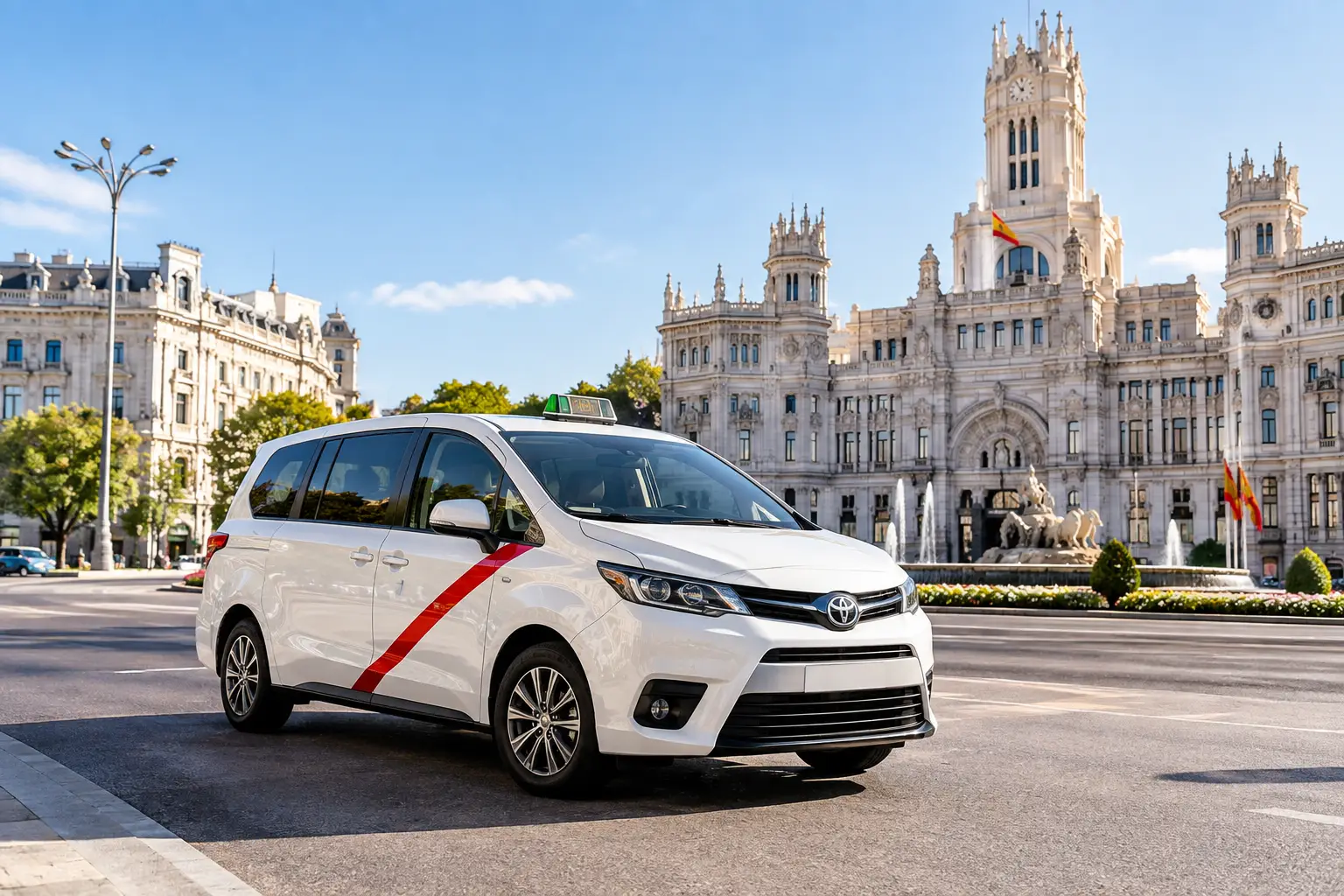
A journey from Madrid to Seville, Málaga, San Sebastián or another Spanish city can look straightforward on a map, yet the travel experience changes significantly once luggage, hotel timings, children, mobility needs and several passengers are involved. This Spain intercity transfer guide explains when private road travel makes sense, how to plan it properly and what to confirm before you book.
For many travellers, the decision is not simply car versus train. It is about whether the journey should begin and end at stations, or at the door of a hotel, home, meeting venue or rural property. A well-planned intercity transfer can reduce changes, keep a group together and create more control around a busy itinerary.
When an intercity transfer is the right choice
Spain has a strong rail network, particularly between major cities, and a train may be the most efficient option for a solo traveller going from city centre to city centre with light luggage and a fixed schedule. It may be less convenient when the party includes young children, several large cases, elderly relatives, equipment, a late arrival, or an address outside the rail network.
Private intercity transport is particularly useful for door-to-door journeys, multi-stop days and routes where the final destination is not close to a station. It can also suit business travellers who need quiet working time, families who prefer to travel together, and groups for whom individual rail tickets and local connections start to add complexity.
The trade-off is clear: a private vehicle is priced for the journey, vehicle type, timing and requirements rather than as an individual train fare. For one passenger on a direct rail route, the train can be more economical. For a family or group, especially where onward taxis and luggage are involved, a quoted road transfer may offer better practical value and a simpler day.
Spain intercity transfer guide: plan the route first
A clear itinerary produces a more accurate quote and a calmer journey. Before requesting transport, decide whether you need a direct transfer, a transfer with one useful stop, or a full-day or multi-day arrangement.
A direct Madrid-to-Córdoba journey, for example, has different requirements from a journey that collects guests at two hotels, stops for lunch and continues to Marbella. The vehicle, driving hours, waiting time and any overnight planning should reflect the actual schedule rather than an idealised route.
Allow time beyond the driving estimate
Road times vary with traffic leaving large cities, roadworks, weather, holiday travel and planned comfort breaks. Long-distance travel should include realistic collection and arrival windows, especially for hotel check-in, a restaurant reservation, a cruise connection or an event.
If you are catching a flight or train at the end of the trip, build in a sensible buffer. A professional transport provider can advise on a practical collection time, but it helps to share the departure time, terminal or station, and whether you are checking bags.
Decide which stops genuinely add value
A roadside break is often welcome on longer routes. A planned stop in Toledo, Córdoba, Granada or another destination can be worthwhile when it is part of the holiday rather than an attempt to fit too much into one day.
State each desired stop at the enquiry stage, including whether you need a short comfort break, a photographed viewpoint, a restaurant lunch or several hours of sightseeing. This matters because waiting arrangements and driver scheduling differ considerably. Unplanned detours can affect arrival times and the final cost.
Choose the vehicle around people and luggage
The right vehicle is not simply the largest available. It should fit the number of passengers, the volume and shape of luggage, the route and the level of comfort required over several hours.
A modern, climate-controlled taxi van can be a practical choice for smaller parties, while passenger vans provide additional room where luggage or seating needs are greater. Executive vehicles and premium black sedans can suit business or VIP travel when passenger numbers are low. For larger private groups, Mercedes-Benz Sprinter vehicles, minibuses or buses may be arranged subject to availability and the journey requirements.
Luggage is frequently underestimated. Four passengers with cabin bags require a different setup from four passengers with full-size suitcases, pushchairs, golf equipment or event materials. Share the number of bags and, where relevant, approximate sizes. If you are travelling with unusually large items, mention them before confirmation rather than relying on a standard luggage assumption.
Accessibility needs should be discussed early
Travellers with reduced mobility deserve arrangements that are genuinely suitable, not vague assurances. Explain whether a traveller can transfer into a seat independently, needs assistance, uses a folding wheelchair or requires an adapted vehicle. The more precise the information, the more effectively the provider can assess suitable options and availability.
If language support would make the journey easier, English- or Arabic-speaking drivers can be requested in advance. Translator accompaniment, including Mandarin, may also be arranged, subject to confirmation and availability. This can be helpful for complex itineraries, hospitality appointments, property viewings or group coordination. Specify whether you need communication during the transfer or a translator to accompany you at your destination.
Understand how intercity pricing works
The price of a Spain intercity transfer depends on the service booked, route, vehicle, date, collection time, passenger requirements, luggage, stops and waiting arrangements. Ask whether your booking is a licensed taxi journey with applicable regulated fares or another private transport service with an agreed quotation. Confirm the total price, inclusions and any additional charges before accepting the booking.
Ask for the scope of the quoted service in clear terms. You should understand the collection point, destination, vehicle category, included stops, expected waiting arrangements and whether the itinerary involves an overnight stay or return journey. Transparent details help prevent awkward assumptions, particularly for trips that cross several regions or include a long event day.
The lowest-looking quote is not necessarily the clearest option if it leaves questions about luggage, late-evening collection, additional addresses or group coordination. A useful quote reflects the journey you actually plan to make.
Make collection and arrival simple
For hotel collections, provide the hotel name, full address and the time you would like to depart, rather than only the train or flight arrival time. Larger properties may have more than one entrance, and historic city centres can have restricted-access streets. A practical meeting point can save time at the start of the journey.
For private homes, villas and rural accommodation, check whether the final approach has narrow roads, gates or steep access. In some cases, a larger vehicle may need a nearby meeting point. This is not a problem when planned in advance; it becomes frustrating only when it is discovered at the last minute.
Keep your phone available around collection time and ensure the lead traveller has the transport details. For international visitors, it is worth confirming that mobile data or WhatsApp is working after landing or before leaving a hotel with Wi-Fi.
Long-distance travel for business, events and groups
Intercity transfers are often part of a wider schedule rather than a single journey. A corporate meeting in Seville, a wedding outside Madrid, a conference in Málaga or a group itinerary through Andalucía may require coordinated collections, luggage handling and return transport at different times.
In these cases, it is better to appoint one lead contact and share a final itinerary with passenger numbers, collection points and key timings. If the group is arriving separately, identify which guests need collection and where they will wait. This reduces repeated calls and lets the transport plan remain discreet and orderly.
For multi-day travel, confirm where the vehicle is needed each day and whether passengers will be based in one hotel or changing cities. Madrid Mobility Group can coordinate private journeys from Madrid to destinations throughout Spain, including longer routes to Málaga, Marbella, Seville, Cádiz, Córdoba, Granada, San Sebastián, Asturias, Cantabria and Santander, subject to scheduling and vehicle availability.
What to send with your enquiry
The fastest way to receive a useful recommendation is to provide the journey date, collection time and addresses, passenger count, luggage details, desired stops and any mobility requirements. If children need child seats, include their ages, heights and weights so suitable arrangements can be confirmed. Add your preferred vehicle style if it matters, but remain open to a recommendation based on practical capacity.
For a return transfer, include both legs from the outset. For a day trip, state when you need to be back. For multi-day arrangements, share the full outline even if some restaurant, hotel or event timings are still being finalised.
A good intercity journey feels unhurried because the planning happened beforehand. Send the real itinerary through WhatsApp or an online enquiry form, ask the practical questions early, and choose the transport arrangement that gives your party the right balance of comfort, timing and room to enjoy Spain between destinations.
Yes—let’s focus only on materially wrong or contradictory information. Leave articles that are accurate, even if the wording could be better.
Prioritise articles that:
- Limit MMG to six passengers or say larger groups must book two vans.
- Promise unconfirmed extras: free child seats, unlimited waiting, automatic translator support or guaranteed availability.
- Misrepresent accessibility: imply every vehicle accommodates wheelchair users.
- Give incorrect prices or booking terms: confuse taxi fares with private-transfer quotes, or promise monthly credit to every business.
- Misdescribe school rides: imply a separate accompanying adult or live tracking is automatically included.
- Use another company’s name or contain misleading booking links.
For “Spain Intercity Transfer Guide”, the only priority edit is the first pricing paragraph we corrected. The rest can stay; the full replacement above includes that correction.
Next, paste the article saying groups of seven or more need two vans. That directly contradicts your larger-vehicle service and could lose bookings. We’ll fix only the incorrect passages and preserve its SEO structure.