
Family Travel Spain for Easier Private Journeys
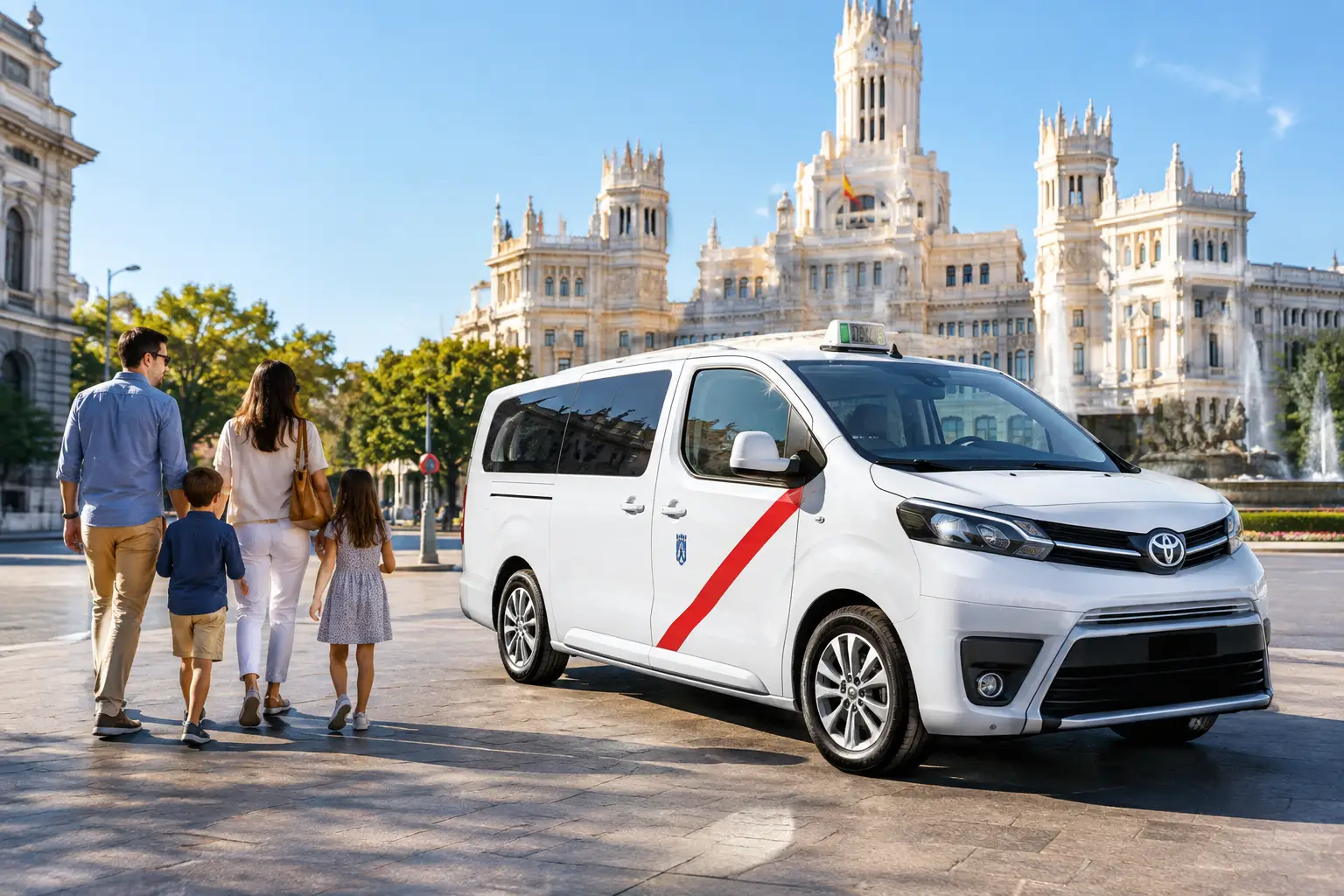
A family trip can change character the moment everyone reaches the arrivals hall. One child is tired, another needs the toilet, luggage has multiplied, and the idea of joining a queue for separate vehicles is less appealing than it was at home. For family travel in Spain, private transport can remove much of that pressure by making the journey between airport, hotel, relatives and destinations part of the holiday plan rather than an obstacle to it.
The value is not simply having a car waiting. It is having the right vehicle, enough room for people and bags, sensible pickup details, and a route that reflects how your family actually travels. This matters especially when Madrid is the start or finish of a longer Spanish itinerary.
Start with the journeys that shape the holiday
Families often focus first on hotels and attractions, then try to solve transport around them. It is usually more effective to identify the journeys that have the highest consequences if they go wrong: airport arrivals, early departures, transfers with several suitcases, travel with babies or older relatives, and moves between cities.
A private airport transfer can be particularly useful after a long flight, when the priority is reaching your accommodation directly rather than working out ticket machines or platform changes. Share the flight details, terminal where known, the number of passengers, children’s ages where restraints are required, and the amount of luggage. These details allow the booking team to propose a suitable arrangement rather than assuming a standard saloon will do.
The same principle applies to departures. A collection time should account for your starting point, luggage, the airport and the service you have booked, with any waiting allowance or other conditions confirmed in advance. Clear arrangements are more useful than vague promises, particularly when travelling with children.
Choose the vehicle around the real party size
The most common booking mistake is counting seats but not bags, pushchairs, car seats or mobility equipment. A vehicle that technically seats a family may not provide a comfortable luggage layout for an airport journey. Equally, a larger vehicle is not automatically the right choice if access at your accommodation is restricted or the party is travelling light.
Madrid Mobility Group can arrange licensed Madrid taxis, executive saloons, passenger vans, Mercedes-Benz Sprinters, minibuses, buses and adapted vehicles, according to the journey. The right option depends on the final passenger count, luggage, pickup access, route and any accessibility requirements. Suitable configurations and availability should be confirmed before booking.
For a family with a pram and several large cases, luggage capacity may matter more than an extra passenger seat. For grandparents travelling with the family, easier entry, space to settle in and planned comfort stops can make a long journey much more manageable. For extended families arriving on different flights, it may be preferable to coordinate separate pickups rather than leave early arrivals waiting for hours.
Child seats and young travellers
Tell the transport provider in advance if child restraints are needed. Provide each child’s age, height and weight where requested, and confirm whether your own seat will be used or an appropriate option needs to be arranged. Do not assume that a particular restraint, extra waiting time or assistance is included unless it appears in the booking confirmation.
For private school rides and regular family arrangements, pickup, authorised handover and supervision should be agreed in writing before the first journey. A separate accompanying adult in addition to the driver may be requested, subject to prior confirmation. Live journey tracking may also be available for selected arrangements, but should be confirmed rather than presumed.
Treat Spain as a series of sensible stages
Spain is well suited to a multi-stop family holiday, but the country is larger than many visitors expect. Toledo, Segovia, Ávila and Valladolid can fit naturally into a stay based in Madrid, depending on your schedule. They can work as private day trips when planned with realistic collection times, sightseeing priorities and return expectations.
Barcelona, Valencia, Alicante, Málaga, Marbella, Seville, Cádiz, Córdoba and Granada are different propositions. A direct long-distance transfer may be the best fit for a family that wants door-to-door travel, substantial luggage space or a stop along the way. In other cases, rail or a domestic flight may be more practical, with private transport arranged at each end. The sensible choice depends on the children’s ages, the total journey time, your budget and how much changing between modes you are willing to manage.
For longer routes from Madrid, a private intercity journey gives families control over their departure point and destination. It can also allow planned comfort breaks and straightforward hotel-to-hotel travel. That does not make it the best option for every route, but it is worth considering when a group would otherwise be managing multiple taxis, connections and bags.
A multi-day itinerary needs a different conversation from a one-way transfer. Confirm the order of cities, dates, overnight stops, passenger numbers on each leg and whether the group requires the same vehicle throughout. If plans include wine regions such as La Rioja, northern destinations including Bilbao, San Sebastián, Santander, Asturias or Galicia, build in enough time for the distances involved rather than treating them as add-ons to a Madrid day trip.
Plan for grandparents and reduced mobility early
Accessibility is most effective when it is arranged before travel, not requested at the kerbside. Explain whether a passenger uses a wheelchair, whether it folds, whether they can transfer into a seat, and whether there are steps at either end of the journey. Mention walking limitations, medical equipment and the assistance that would make the journey more comfortable.
Adapted vehicle options may be available, subject to route, suitability and availability. Not every vehicle is wheelchair accessible, so confirmation is essential. Accommodation access also matters: a well-planned vehicle is only part of the journey if the entrance, drop-off point or hotel driveway has restrictions.
Families travelling with older relatives may benefit from avoiding tight changes and choosing direct routes, even if the quoted price is higher than a public transport combination. The trade-off is straightforward: a private journey may offer greater convenience and personal space, while rail can be a good choice where stations, timings and luggage handling suit the group.
Make language and arrival details part of the booking
International family groups often include relatives with different levels of confidence in English or Spanish. English- or Arabic-speaking drivers can be requested, subject to availability. Translator accompaniment, including Mandarin, may also be arranged where required in advance. These are service requests to confirm, not automatic features of every booking.
Give one lead traveller’s contact details and nominate a second contact where helpful. Confirm the arrival point, accommodation name, pickup time, flight information for airport collections, and any landmark or access note that will help the driver find you without confusion. For large hotels or busy visitor areas, a specific meeting instruction can save time and reduce stress.
It is also sensible to agree what happens if a flight is delayed, a train arrives late or a family member needs extra time at the airport. The service booked, its waiting allowance and the quotation terms should explain the applicable basis. Licensed taxi fares and private transport quotations are not the same thing, so ask for clarity on the service type, inclusions and any requested extras before confirming.
Keep the itinerary enjoyable, not overfilled
With children, a day with one major plan and room for lunch, rest and an unexpected stop is often better than trying to fit in every landmark. Private day transport can help create that breathing space, particularly for destinations outside the city, but it still benefits from an agreed route and timings.
For a city stay, walking and public transport may be ideal for much of the day, with a private transfer reserved for arrivals, departures, dinner bookings, late finishes or journeys involving luggage. For a countryside excursion or a change of city, door-to-door transport may have more value. Good family travel is rarely about using one mode for everything. It is about choosing the arrangement that lowers the effort at the moments when effort matters most.
Before confirming, send a concise outline of your family’s route, passenger numbers, luggage, child-seat needs, accessibility requirements and preferred language support. A well-specified booking gives everyone a calmer start, leaving more attention for the people you travelled to see.